Which insole is right for you? The complete buying guide
Share
There isn't one "best" insole — there's the best insole for your feet, shoes, and activity. This guide will help you choose the right one in a few steps, without guesswork.
Step 1: Start with your goal
The biggest choice depends on what you'll use the insole for. First, determine your situation:
- Daily use — comfort and light support for everyday wear
- Sport — cushioning and stability for impact and speed
- Work — durability and shock absorption for long shifts on hard floors
- Specific complaint — targeted support, for example, for heel spurs or flat feet
Step 2: Choose based on complaint
If you have a specific complaint, let that guide you:
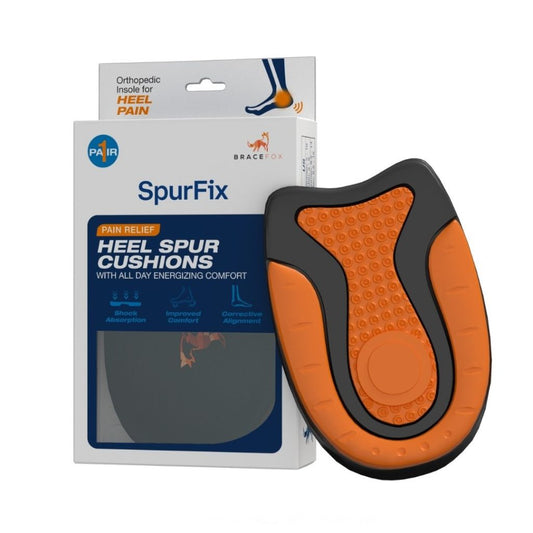
- Heel spurs or heel pain — an insole with a deep heel cup and extra cushioning (ErgoSole, or SpurFix for persistent complaints)
- Flat feet or fallen arches — an insole with strong arch support
- Tired feet at work — a durable work insole with a balance of cushioning and stability (WorkSoll)
- Running and sport — a lightweight insole with energy return and lateral support (EnduSole)
🔍 No specific complaint?
Then start with a versatile daily insole. It provides comfort and light support for everyday use and is the best starting choice for most people.
Step 3: Pay attention to the fit
- Choose your regular shoe size; many insoles can be trimmed at the front along the size markings for an exact fit
- First, remove the existing factory insole before inserting the new insole
- Pay attention to thickness: a slim profile fits better in dress shoes or safety shoes, a thicker profile provides more cushioning in roomier shoes
Step 4: Material and maintenance
Most complaint-specific insoles use dense EVA cushioning and a supportive core; comfort insoles feel softer. Keep your insoles fresh by regularly airing them out and not putting them in the washing machine — a damp cloth with mild soap and air drying is enough.
Not sure which one?
View daily insoles
The versatile starting choice for comfort and support.
View daily insolesFrequently asked questions about choosing insoles
Can I use one pair of insoles for everything?
For light, mixed activity, a good daily insole can suffice. But for intense sports or long workdays, a specifically designed insole is noticeably more comfortable — just like with shoes.
Do insoles fit in every shoe?
In most shoes, yes, provided you remove the factory insole. In very tight or flat models, a thick insole may take up too much space; in that case, choose a slimmer profile.
How do I know what size to order?
Go by your normal shoe size. If your size falls between two values, choose the larger one and trim the insole along the marking at the front.
How often should I replace my insoles?
Depending on use: for intensive daily use, every 6–12 months on average. Replace them if the cushioning feels flattened or the support noticeably decreases.